 +86 13315975815
 inquiry@htlcable.com

Wind and Solar Power Boosting Shale Oil Extraction
Against the backdrop of a constantly changing global energy landscape, geopolitical risks such as the blockade of the Strait of Hormuz have made crude oil prices increasingly unstable. Energy security and stable supply have therefore become major concerns for many countries. In this context, new technologies for shale oil extraction are rapidly developing in order to improve production efficiency and reduce operational costs.
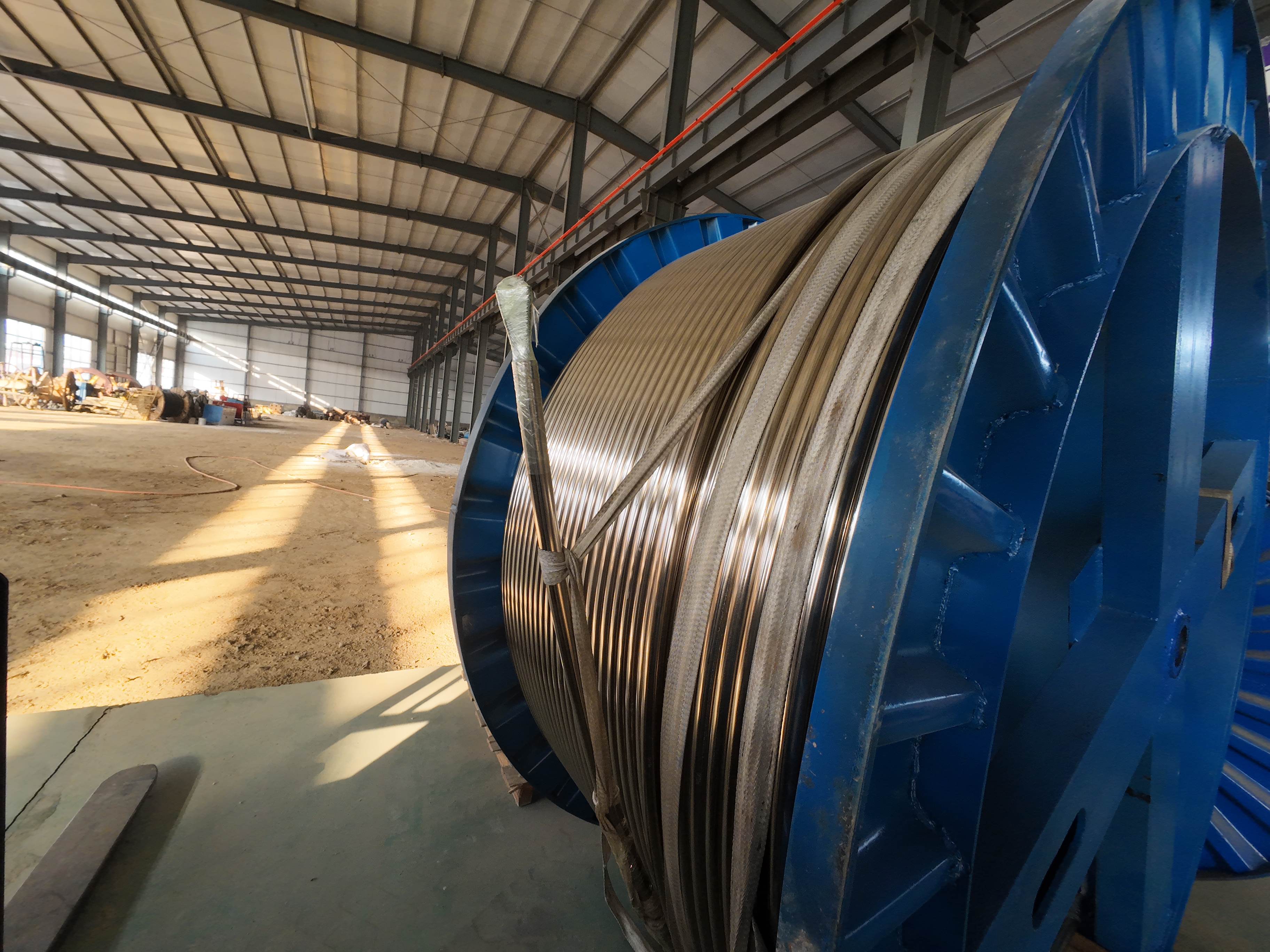
Among these technologies, MI heating cables are playing an increasingly important role in the shale oil extraction process. By providing continuous and uniform heating to wellbores and related equipment, MI heating cables can effectively improve reservoir flow conditions, increase extraction efficiency, and reduce production costs. Compared with traditional heating methods, this technology offers significant advantages such as stability, safety, high-temperature resistance, and long service life.
With the development of renewable energy technologies, wind energy and solar energy are also being integrated into oil and gas production, enabling more efficient energy utilization and transformation. By converting electricity generated from renewable sources into stable heat output, energy consumption can be reduced while improving overall system efficiency.
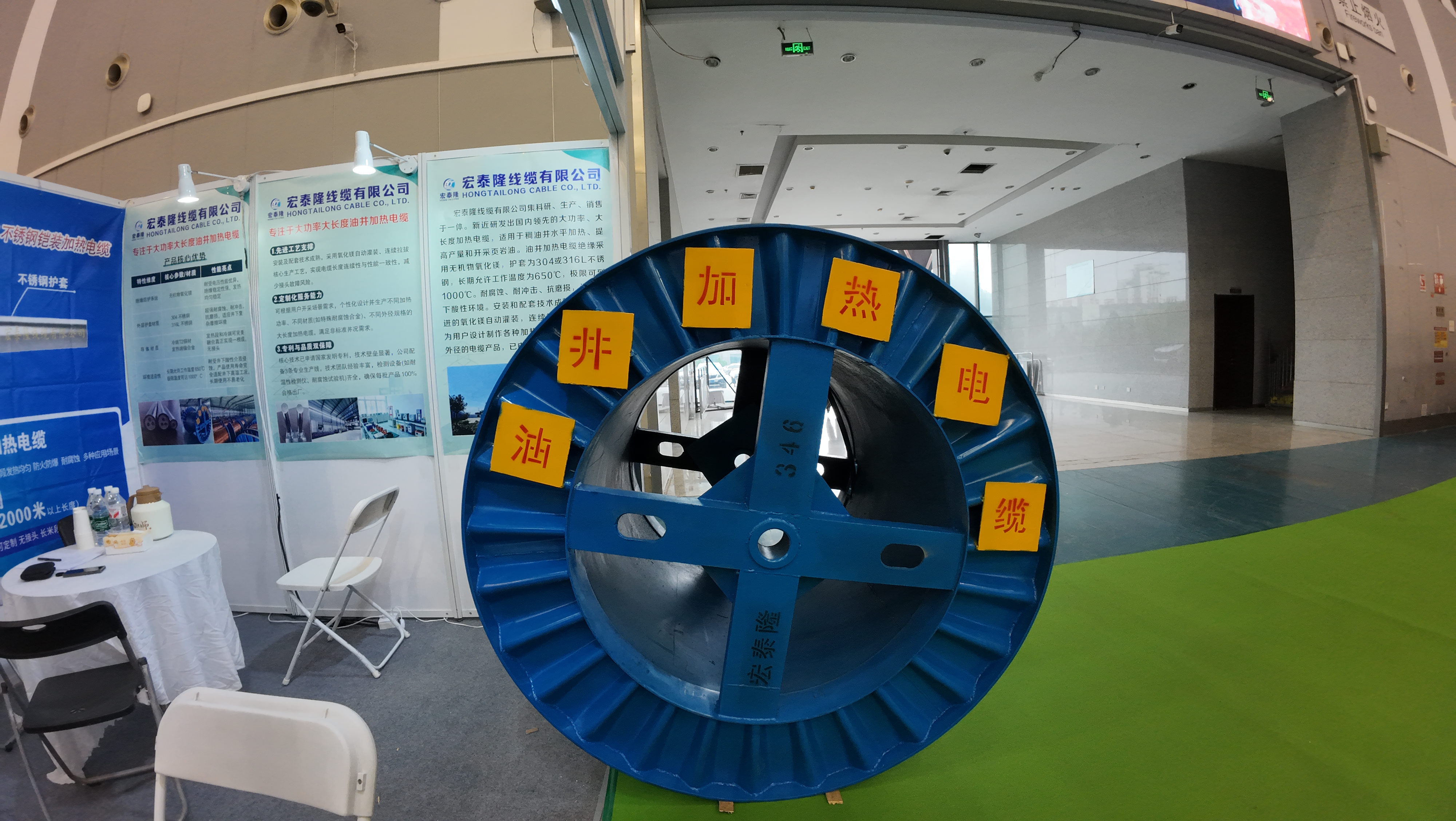
MI heating cables produced by Hong Tai Long are an excellent example of this technological application. These cables can efficiently convert electricity generated from wind and solar energy into stable thermal output, providing a reliable heating solution for shale oil extraction. With stable quality and advanced manufacturing technology, Hong Tai Long’s MI heating cables offer a more efficient, energy-saving, and sustainable solution for the development of shale oil resources.
 The Development and Profitability of Heavy Oil Production Un
 MICC Cables for AI Computing Centers: Ensuring Safe and Reli
 Wind and Solar Power Boosting Shale Oil Extraction
 Top Advantages of MI Heating Cable in Oil and Gas Industry