 +86 13315975815



Beyond e-SAGD: How MI Heating Cables Drive Electrification in Heavy Oil Recovery
As the energy sector faces mounting pressure to reduce carbon intensity, conventional thermal recovery methods like Steam-Assisted Gravity Drainage (SAGD) and enhanced e-SAGD are reaching their operational and environmental limits. For Engineering, Procurement, and Construction (EPC) contractors managing unconventional reserves—including heavy oil, oil sands, and shale oil—traditional steam injection presents high operational expenditure (OPEX), massive water consumption, and significant greenhouse gas (GHG) emissions.
To meet stringent climate policies without sacrificing yield, the industry is turning toward complete downhole electrification. Among the most viable alternatives to steam-based processes, Mineral Insulated (MI) heating cables are emerging as the cornerstone of modern oilfield electrification and efficient heavy oil recovery.
The Limitations of Conventional e-SAGD for EPC Contractors
While e-SAGD introduced electrical assist to steam processes, EPC contractors still face major engineering and economic bottlenecks:
High Energy Consumption & Carbon Footprint: Steam generation requires immense water treatment and fossil-fuel combustion, conflicting with global decarbonization mandates and strict environmental compliance.
Elevated Maintenance and Operational Costs: Complex steam infrastructure—including boilers, water recycling units, and insulated piping—drives up initial capital expenditure (CAPEX) and long-term maintenance costs.
Uneven Thermal Distribution: Steam channeling and heat loss in deep or thin pay zones lower overall thermal efficiency, reducing recovery factors.
The Superior e-SAGD Alternative: Integrated Downhole MI Heating Systems
Transitioning to an integrated downhole electrical heating solution powered by high-performance MI heating cables directly addresses these challenges.
1. Superior Thermal Efficiency and Reduced Energy Ratio
Unlike steam, which loses energy during surface-to-wellbore transport, MI heating cables deliver direct thermal energy straight to the reservoir pay zone. This continuous, direct heat transfer dramatically improves energy-to-carbon efficiency, lowering net power consumption per barrel of recovered heavy oil.
2. Reduced Carbon Footprint & Policy Compliance
By replacing fossil-fueled boilers with an all-electric heating architecture, operators can power reservoir heating directly from grid power or localized renewable energy sources. This zero-direct-emission approach ensures compliance with strict ESG standards and carbon pricing policies.
3. Lower OPEX and Infrastructure Footprint
Direct downhole electrification eliminates surface steam generation facilities, water treatment plants, and complex piping networks. This streamlined footprint reduces civil engineering overhead, speeds up EPC execution timelines, and cuts ongoing maintenance expenditure.
Why HTL MI Heating Cables Deliver Unmatched Reliability
In extreme downhole environments involving high temperatures, high pressure, and corrosive fluids, cable integrity is paramount.HTL Cablemanufactures premium Mineral Insulated heating cables engineered specifically for harsh oilfield applications:
Robust Sheath Options: Utilizing advanced alloy sheaths (Incoloy 825, Stainless Steel) to resist sulfide stress cracking and high-temperature corrosion.
Continuous Manufacturing Excellence: Produced with continuous argon arc welding processes to guarantee high insulation resistance and eliminate joint failures over long horizontal wellbores.
Turnkey Electrification: Engineered as part of an end-to-end well electrification system, complete with power control units, feedthroughs, and real-time monitoring.
Accelerate Your Heavy Oil Electrification Strategy
For EPC contractors aiming to deliver high-ROI, low-emission heavy oil projects, stepping beyond conventional e-SAGD is no longer optional—it is a strategic necessity. Discover how HTL’s advanced MI heating cable technology can transform your heavy oil, oil sands, and shale recovery operations.
VisitHTL Cabletoday to explore our complete downhole electric heating solutions.
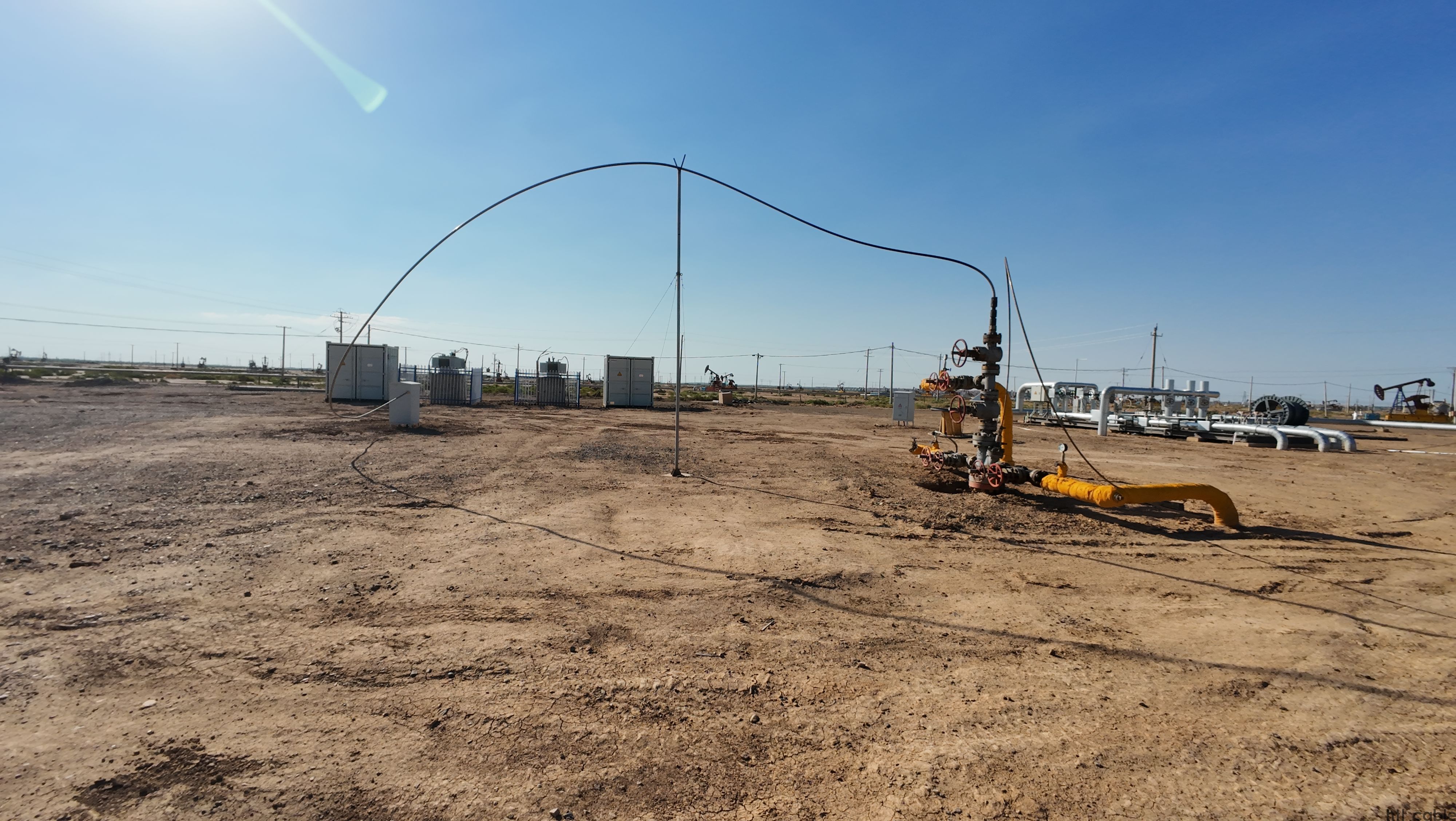 From Karamay to Global Oilfields: Proven Performance of MI H
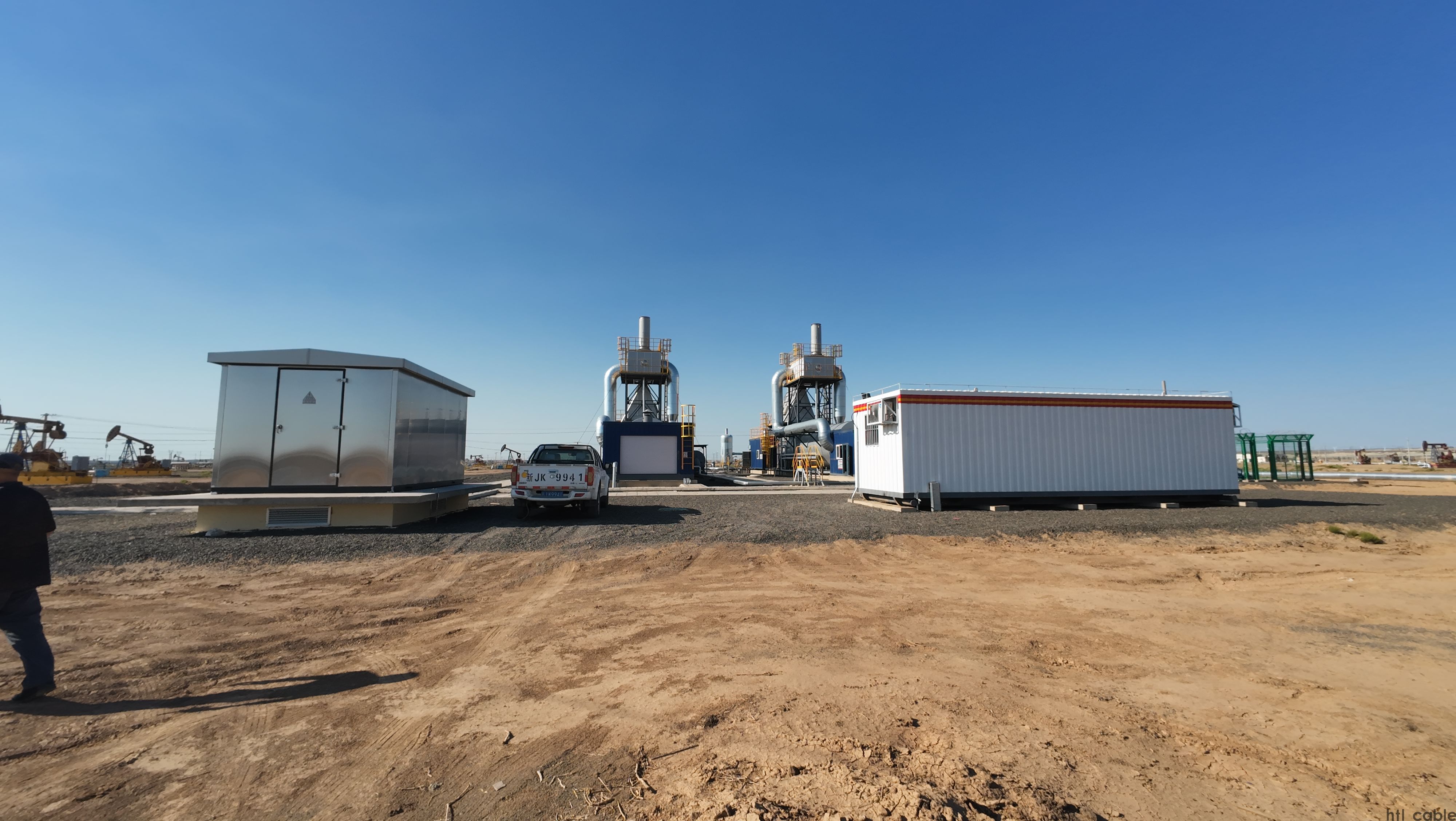 Beyond e-SAGD: How MI Heating Cables Drive Electrification i
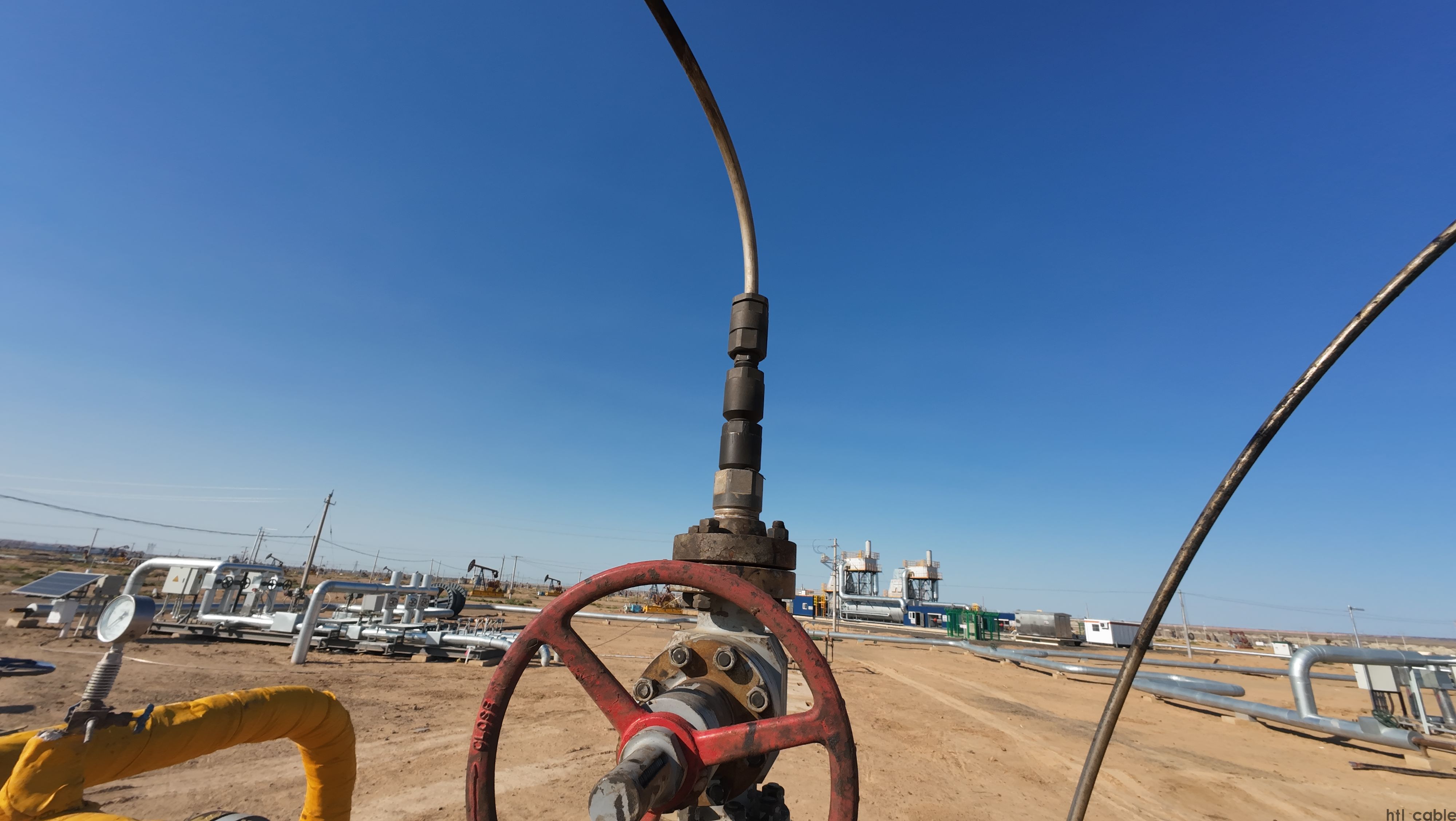 Unlocking Unconventional Reserves: Advanced Electric Heating
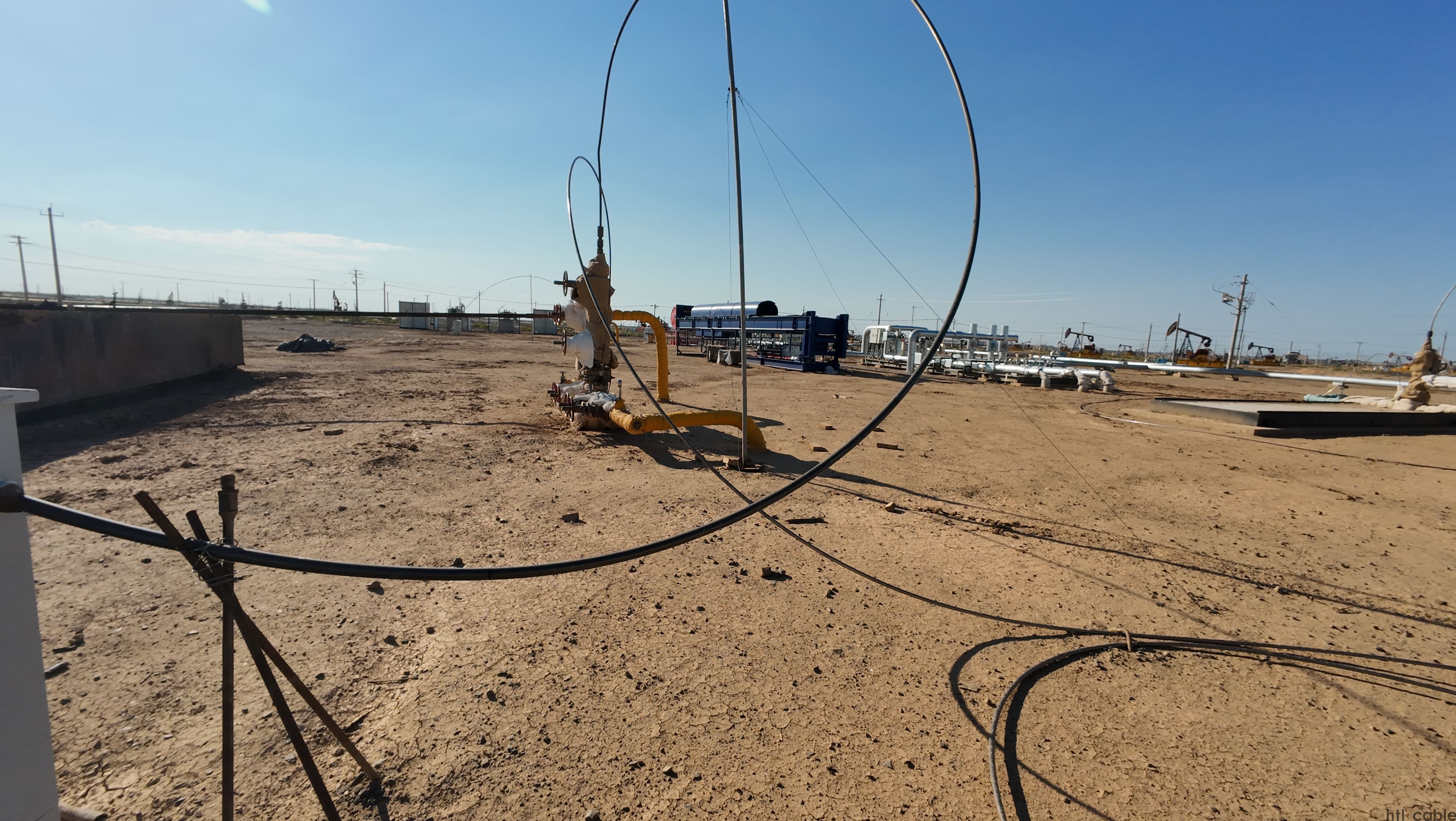 MI cable in Karamay Oilfield