 +86 13315975815



Efficiency and Sustainability in Pipeline Heating: The HTLcable Promise
As the oil and gas sector faces mounting pressure to reduce carbon footprints and optimize operational efficiency, traditional, energy-intensive pipeline heating methods like steam tracing or oil-fired loop heating are becoming obsolete. Skin Effect Current Tracing (SECT) offers a much cleaner, highly precise, and eco-friendly alternative for wax prevention. By delivering localized, uniform electrical heat directly where it is needed along long-distance lines, it minimizes ambient heat loss. HTLcable is driving this sustainable shift by engineering the most energy-efficient skin effect cables on the market.
HTLcable achieves superior energy efficiency through optimized conductor geometry and high-purity copper cores. These design features minimize unnecessary internal electrical resistance, ensuring that the maximum percentage of supplied power is converted into usable thermal energy along the pipeline. Furthermore, because HTLcable systems can cover immense distances from a single power source, they reduce the environmental disruption and material footprint associated with constructing multiple power distribution substations in fragile ecosystems.
The longevity of HTLcable products also contributes heavily to project sustainability. A single installation is built to last for decades, matching the entire operational lifespan of the pipeline itself. This reduces material waste and the carbon emissions associated with frequent maintenance and replacement cycles. With HTLcable’s advanced skin effect technology, global oil operators do not have to choose between robust wax prevention and environmental responsibility—they achieve both simultaneously.
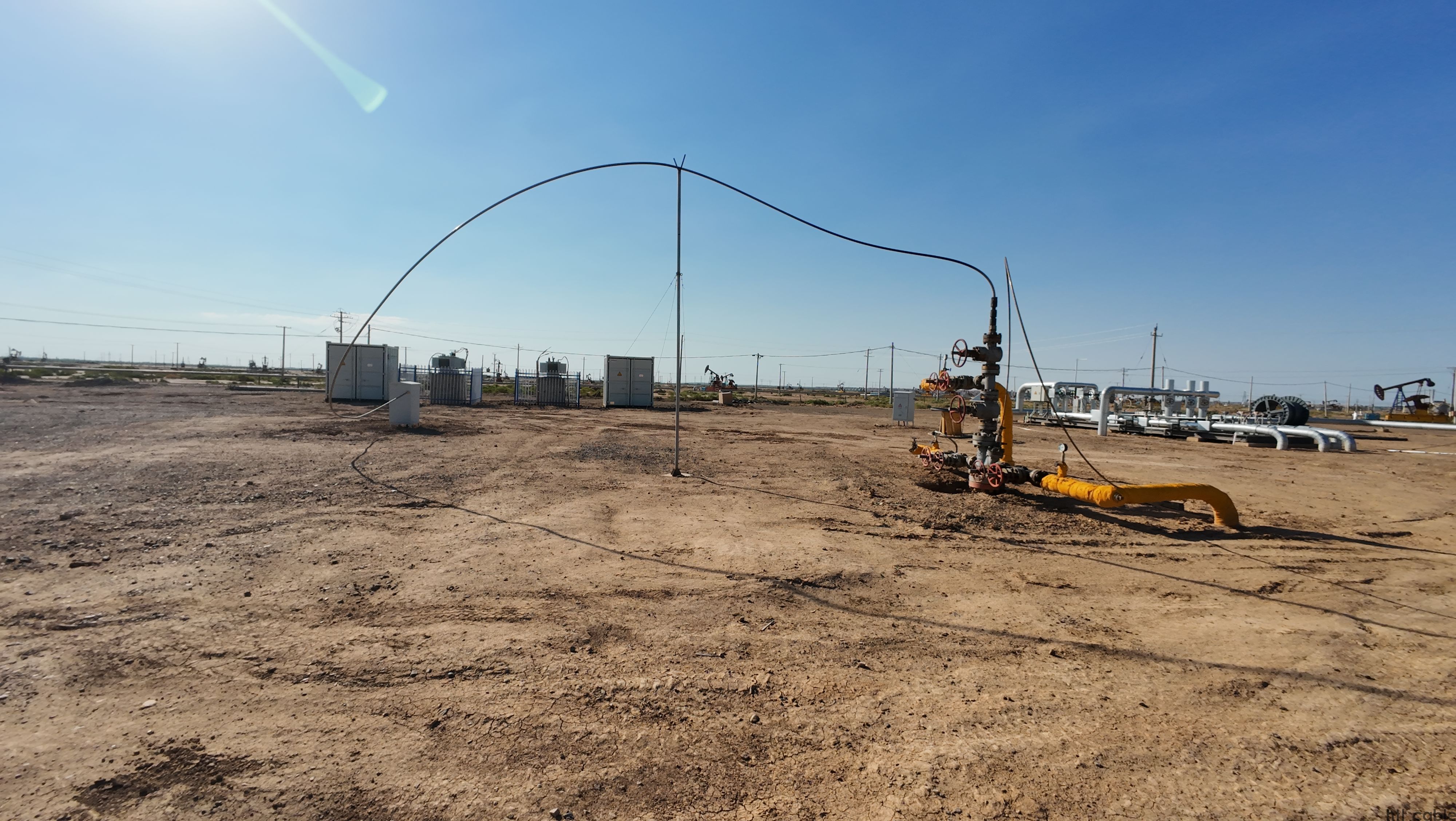 From Karamay to Global Oilfields: Proven Performance of MI H
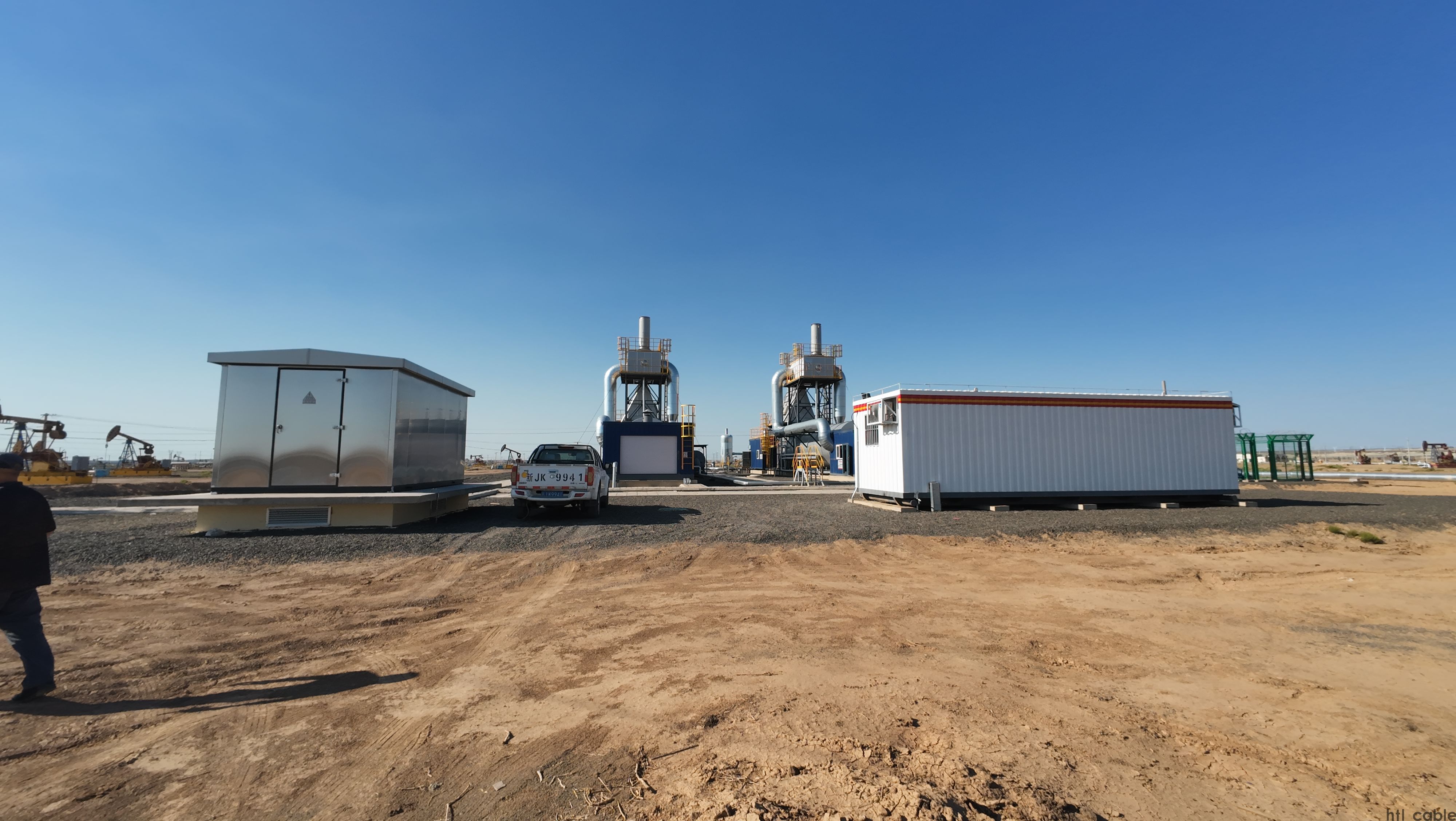 Beyond e-SAGD: How MI Heating Cables Drive Electrification i
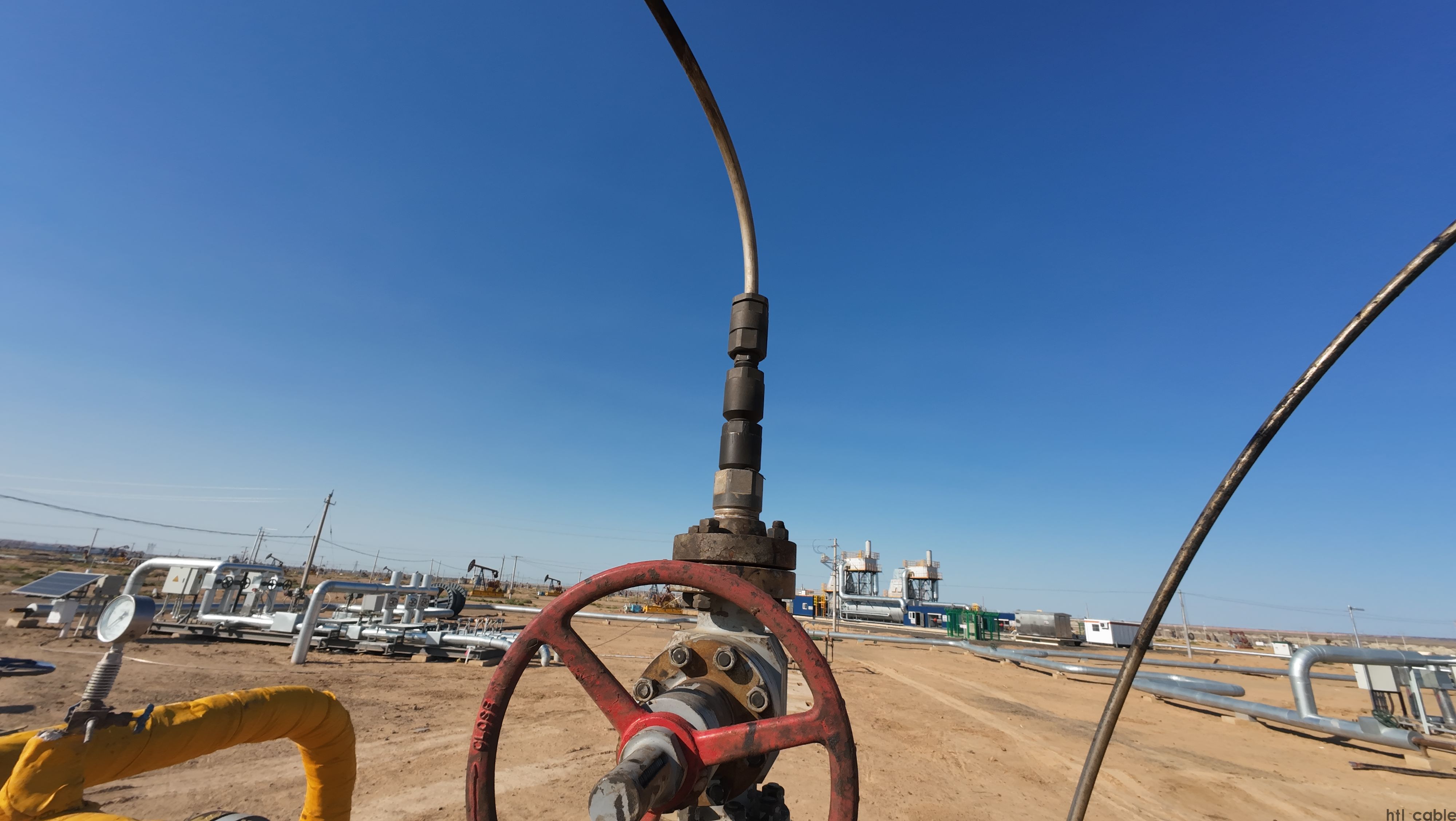 Unlocking Unconventional Reserves: Advanced Electric Heating
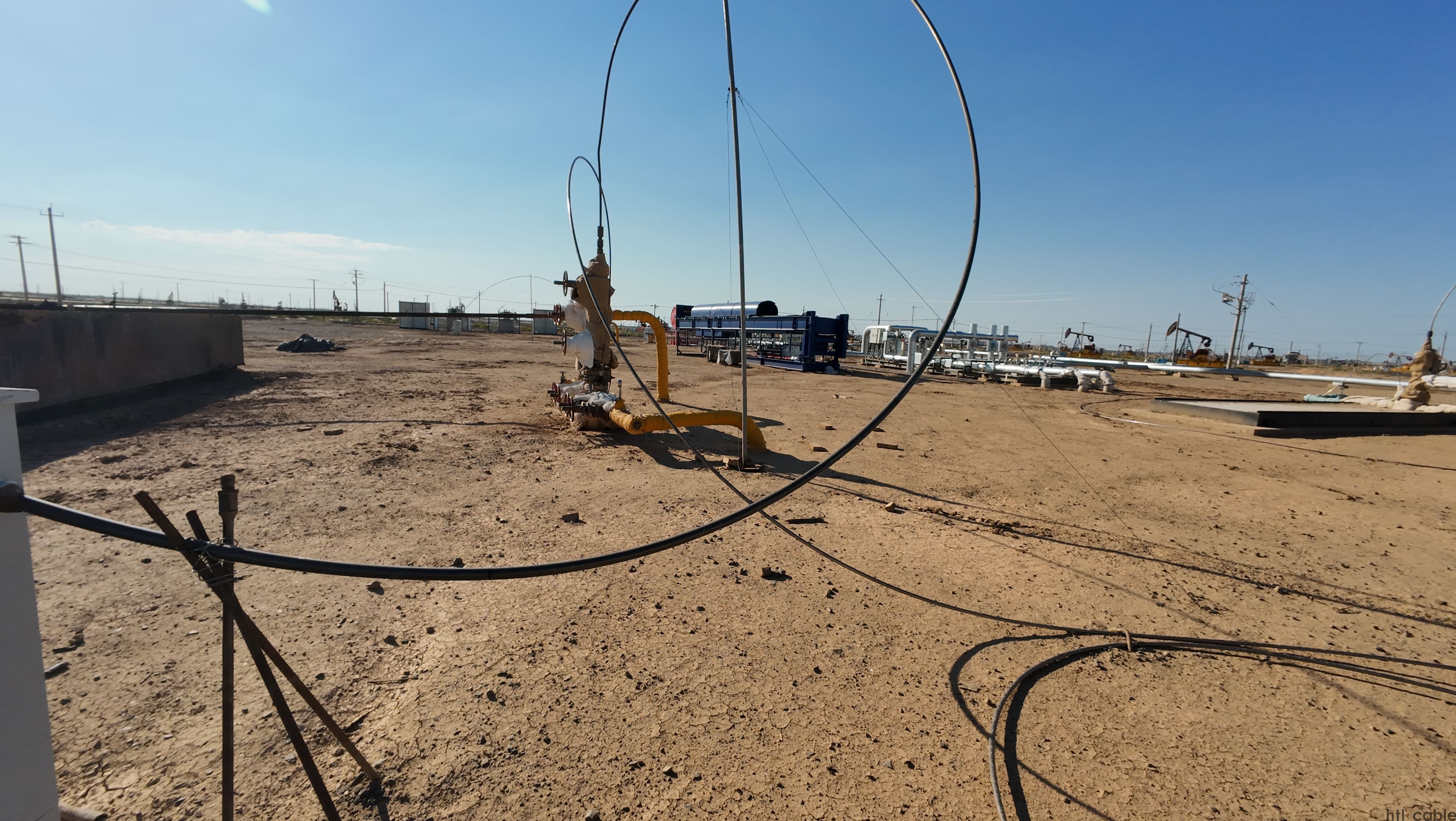 MI cable in Karamay Oilfield