 +86 13315975815


Overcoming Crude Oil Waxing with Skin Effect Technology
Long-distance crude oil pipelines often face a major operational hurdle: wax deposition. As crude oil travels through cold environments, its temperature drops below the wax appearance point (WAP). This causes heavy hydrocarbons to crystallize and adhere to the inner pipe walls, choking the flow, drastically increasing pumping energy requirements, and potentially triggering costly pipeline blockages. To mitigate this risk, maintaining a stable temperature along the entire pipeline is crucial. Traditional heating methods fail to cover massive distances efficiently, making Skin Effect Current Tracing (SECT) systems the modern industry standard for heat management.
The skin effect relies on alternating current (AC) distribution where electricity concentrates primarily on the outer surface, or "skin," of a ferromagnetic heat tube. When paired with a specialized skin effect cable, this creates a highly efficient, closed-loop thermal heat source. HTLcable stands at the forefront of this technology, manufacturing premium skin effect cables engineered explicitly for these punishing conditions. By ensuring continuous thermal input, HTLcable systems safely maintain oil temperatures above the critical wax crystallization threshold across hundreds of kilometers.
HTLcable’s proprietary manufacturing processes ensure that their cables can withstand the extreme mechanical stresses and thermal fluctuations typical of cross-country midstream operations. Their advanced insulation materials and rigorous quality control result in a product that resists chemical degradation and physical wear. Consequently, utilizing HTLcable for long-distance pipelines provides operators with absolute process stability, lowering maintenance overhead while entirely eliminating the threat of wax-induced pipeline failure.
 From Karamay to Global Oilfields: Proven Performance of MI H
 Beyond e-SAGD: How MI Heating Cables Drive Electrification i
 Unlocking Unconventional Reserves: Advanced Electric Heating
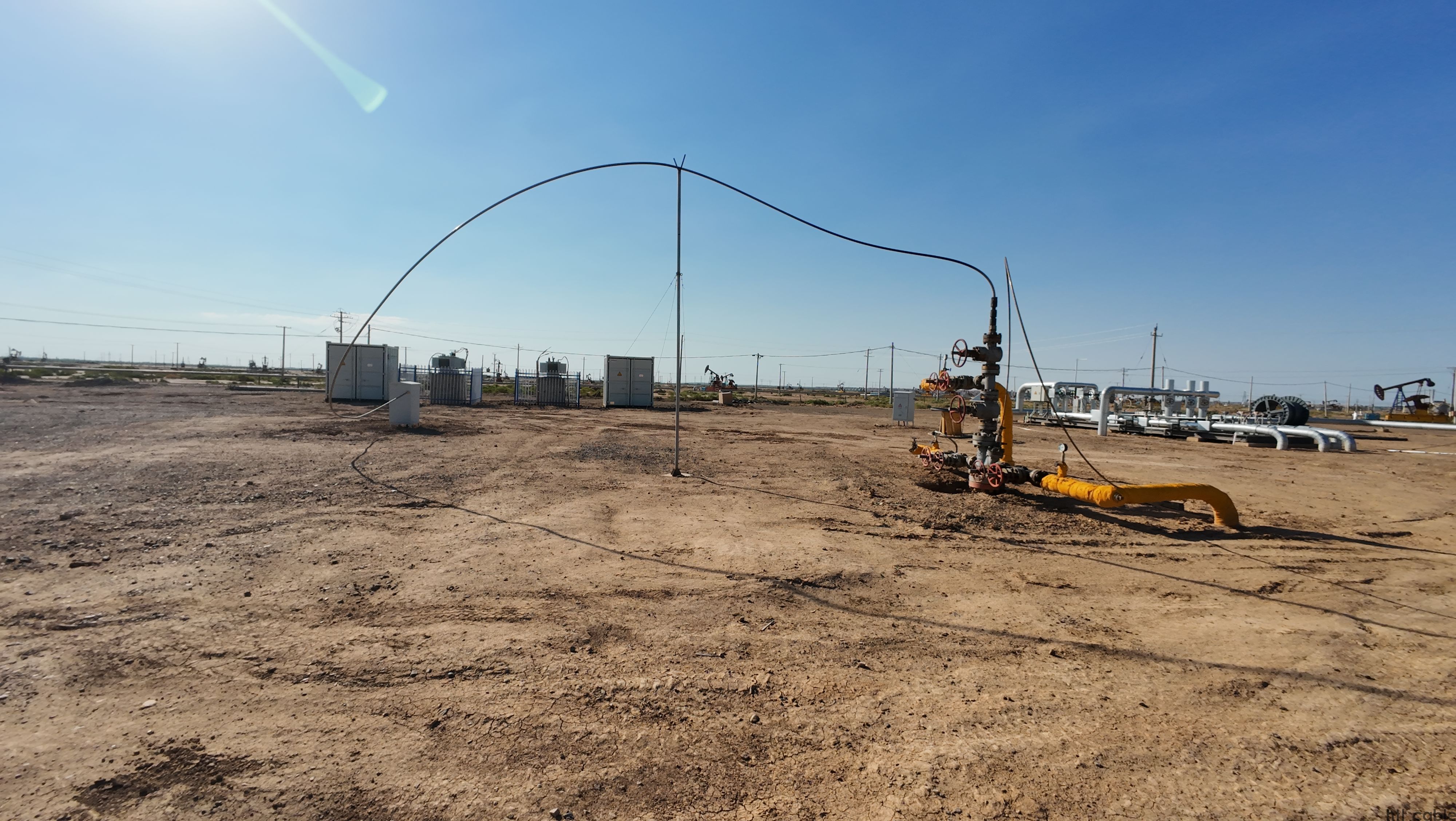
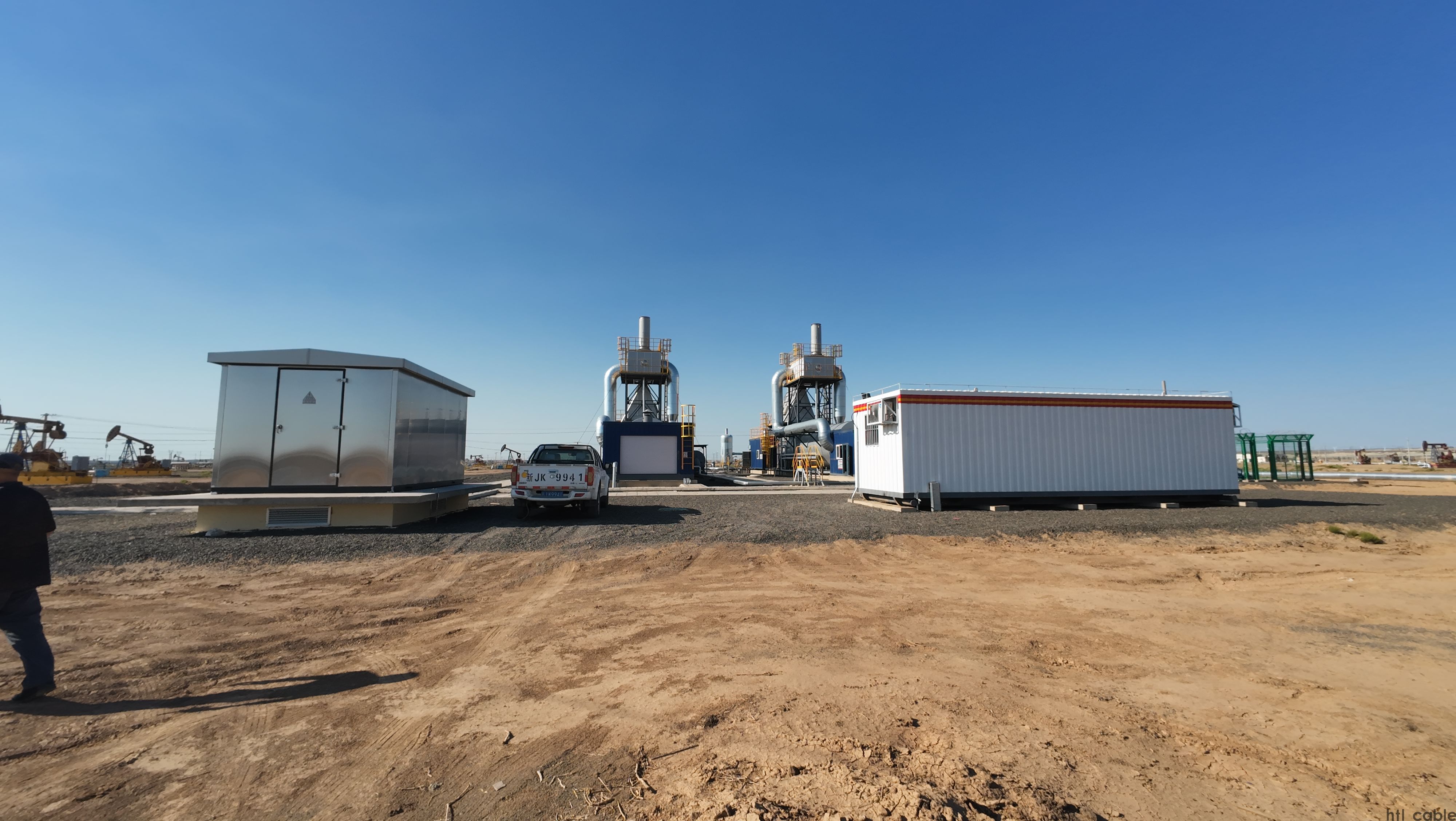
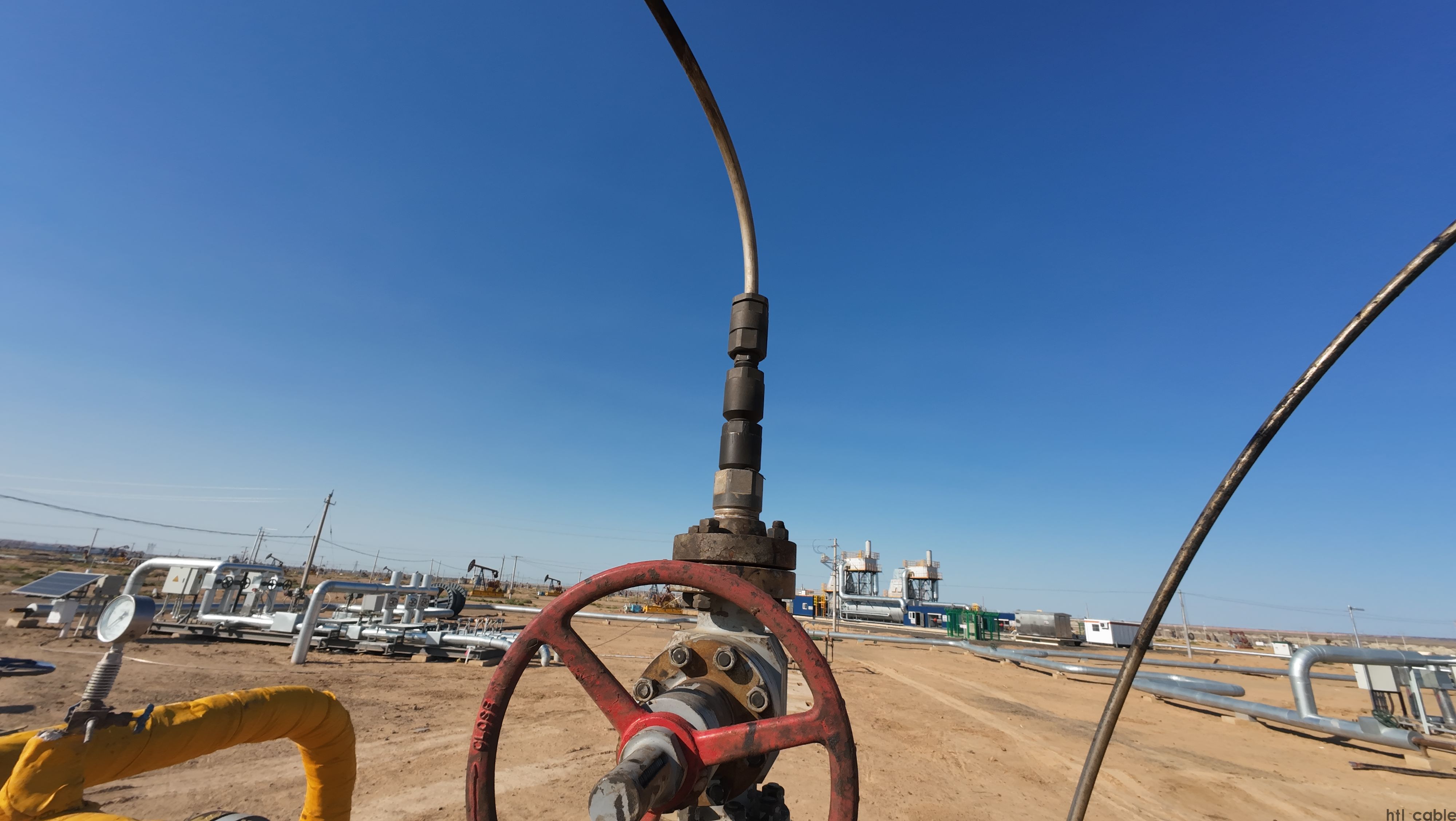
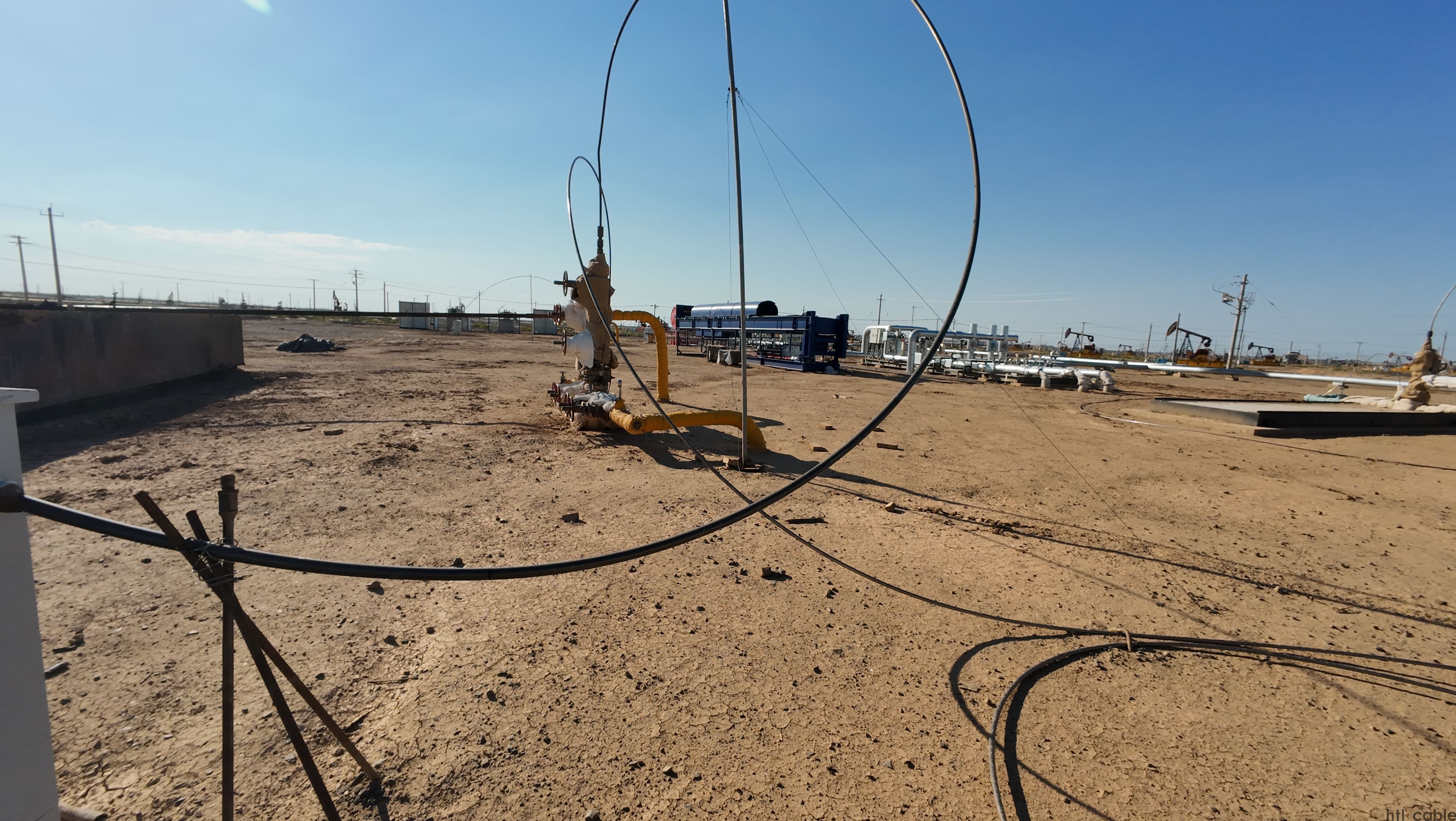 MI cable in Karamay Oilfield