 +86 13315975815



Mitigating Downhole and Midstream Corrosive Challenges in Argentina’s Heavy Crude Sector
Introduction
Though unconventional shale oil captures global headlines, Argentina's energy landscape also relies heavily on conventional mature fields and emerging heavy crude reservoirs. These assets often feature high water cuts and elevated concentrations of corrosive elements like hydrogen sulfide ($H_2S$) and carbon dioxide ($CO_2$). Managing these corrosive mixtures at elevated temperatures requires high-performance equipment. Standard polymer-jacketed heat-tracing cables degrade rapidly under combined chemical and thermal attacks, highlighting the critical need for advanced mineral insulated solutions.
Corrosion Resistance of MI Cables
MI heating cables overcome corrosive degradation through advanced metallurgy. By utilizing specialized outer sheaths made of advanced stainless steel grades or nickel-chromium alloys (like Inconel 600), these cables resist pitting, crevice corrosion, and stress corrosion cracking in sour gas and high-salinity water environments. Because the entire cable is inorganic, it eliminates the risk of chemical absorption or jacket swelling that disrupts organic heating elements, ensuring a long operational lifespan even when directly exposed to aggressive process fluids.
HTL CABLE’s Advanced Material Synthesis
HTL CABLE’s factory in China features advanced metallurgical processing and vacuum annealing technology. We maintain strict control over alloy purity and grain structures during the outer-sheath fabrication process to ensure maximum corrosion resistance.
Our engineering team works closely with Argentine operators to select the optimal sheath metallurgy for their specific chemical environments. By combining this advanced material processing with automated manufacturing efficiency, HTL CABLE delivers highly durable, corrosion-resistant MI cables at an optimized cost structure, helping Argentine operators lower their total cost of ownership.
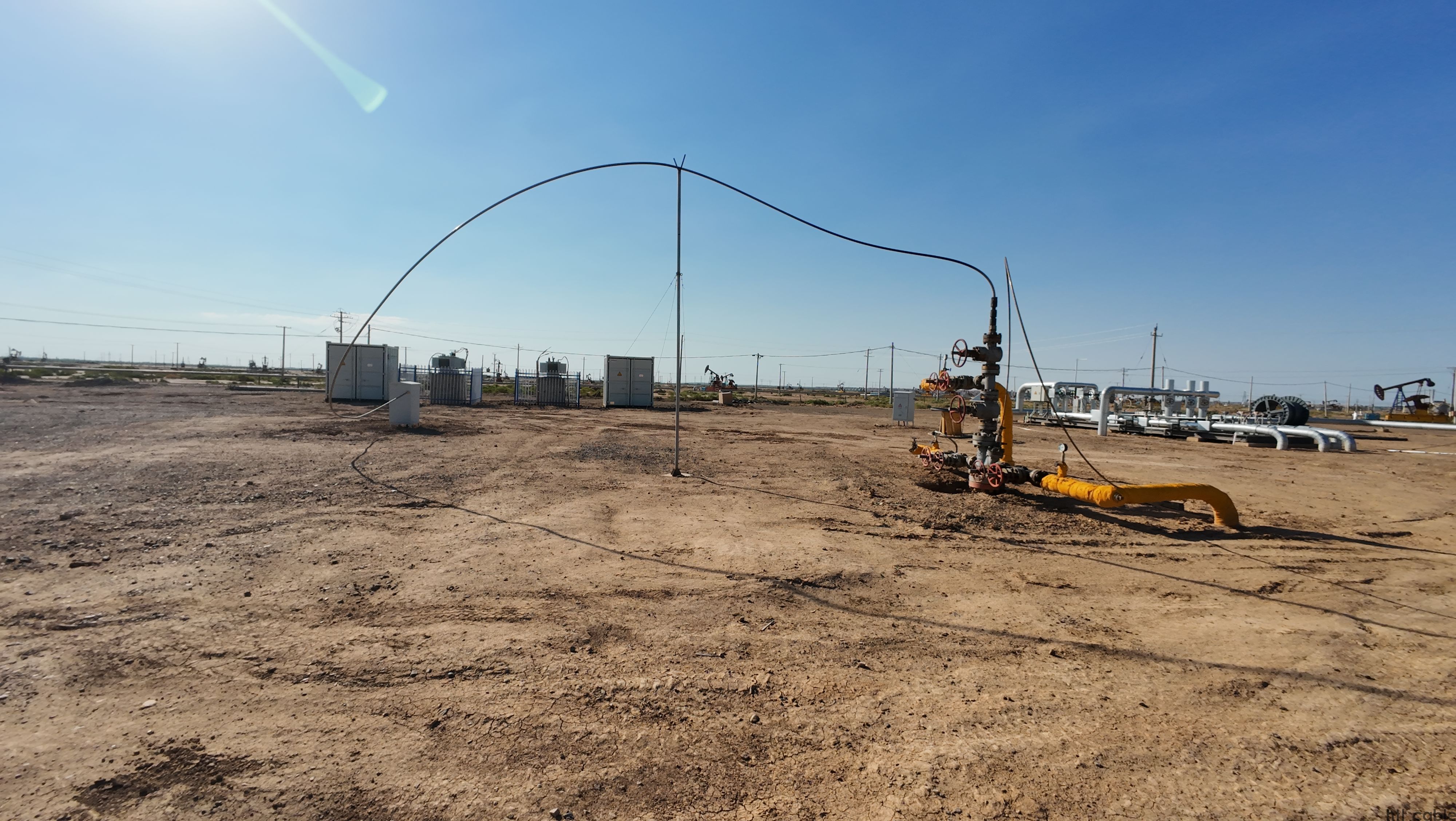 From Karamay to Global Oilfields: Proven Performance of MI H
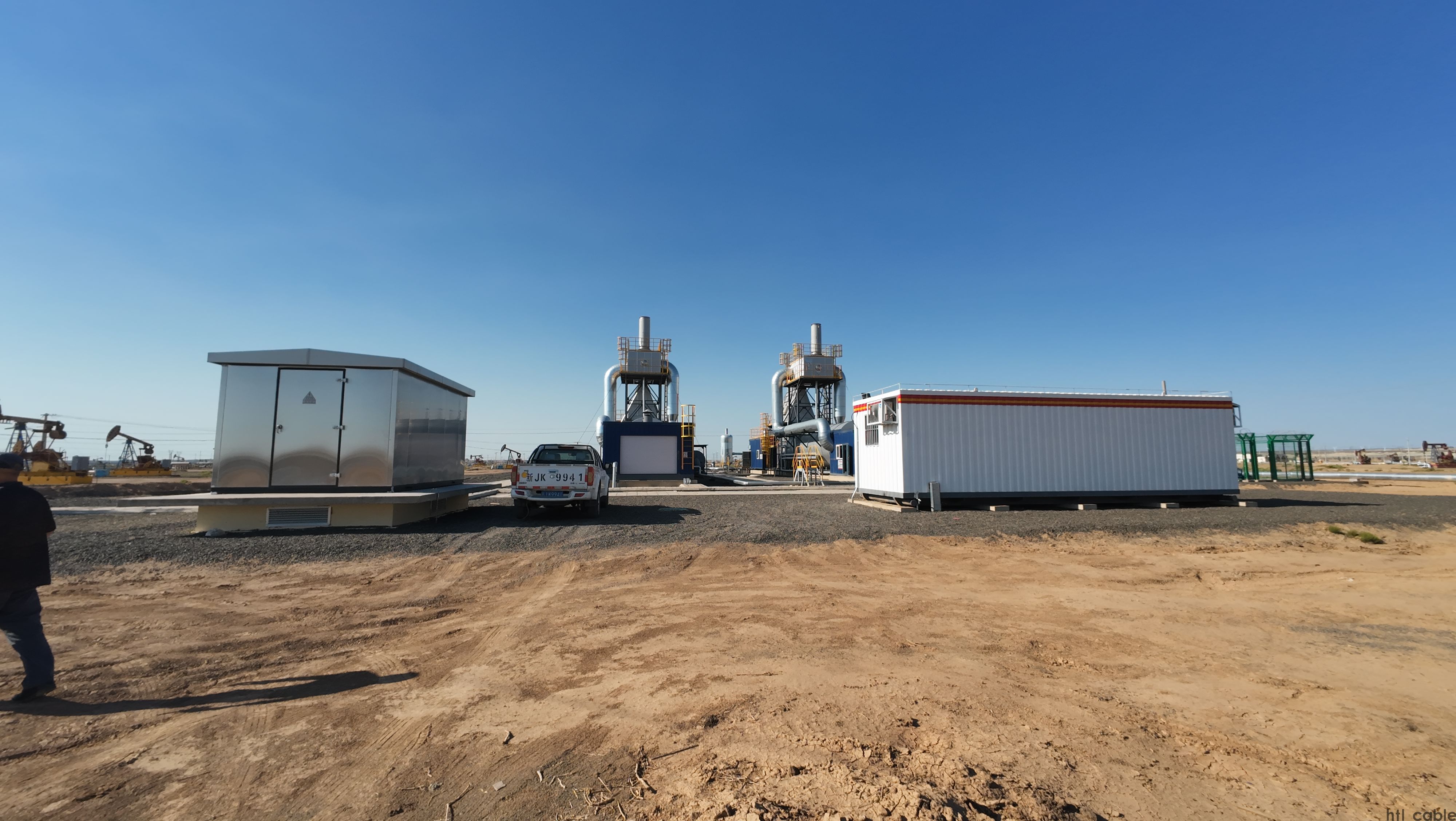 Beyond e-SAGD: How MI Heating Cables Drive Electrification i
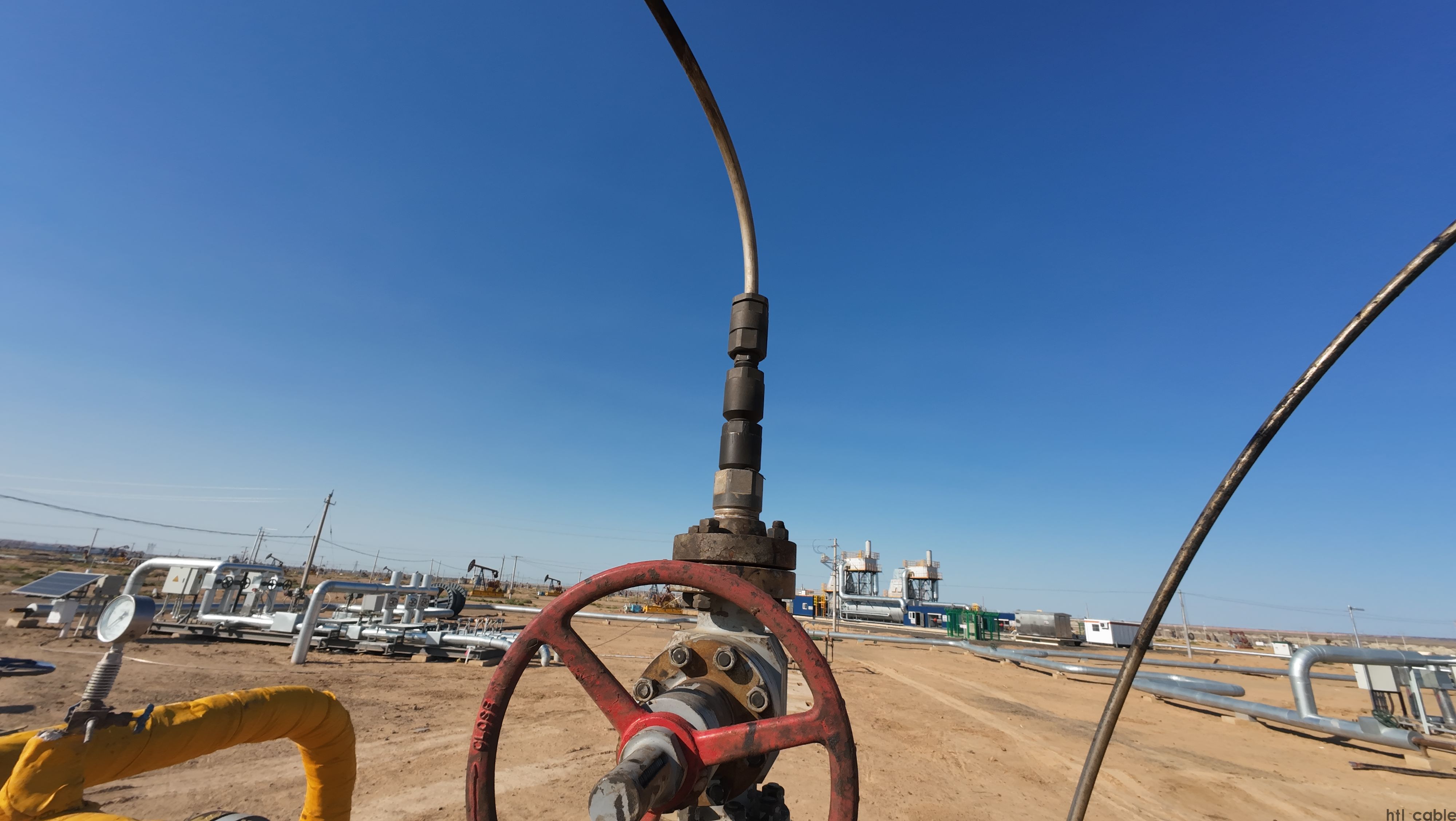 Unlocking Unconventional Reserves: Advanced Electric Heating
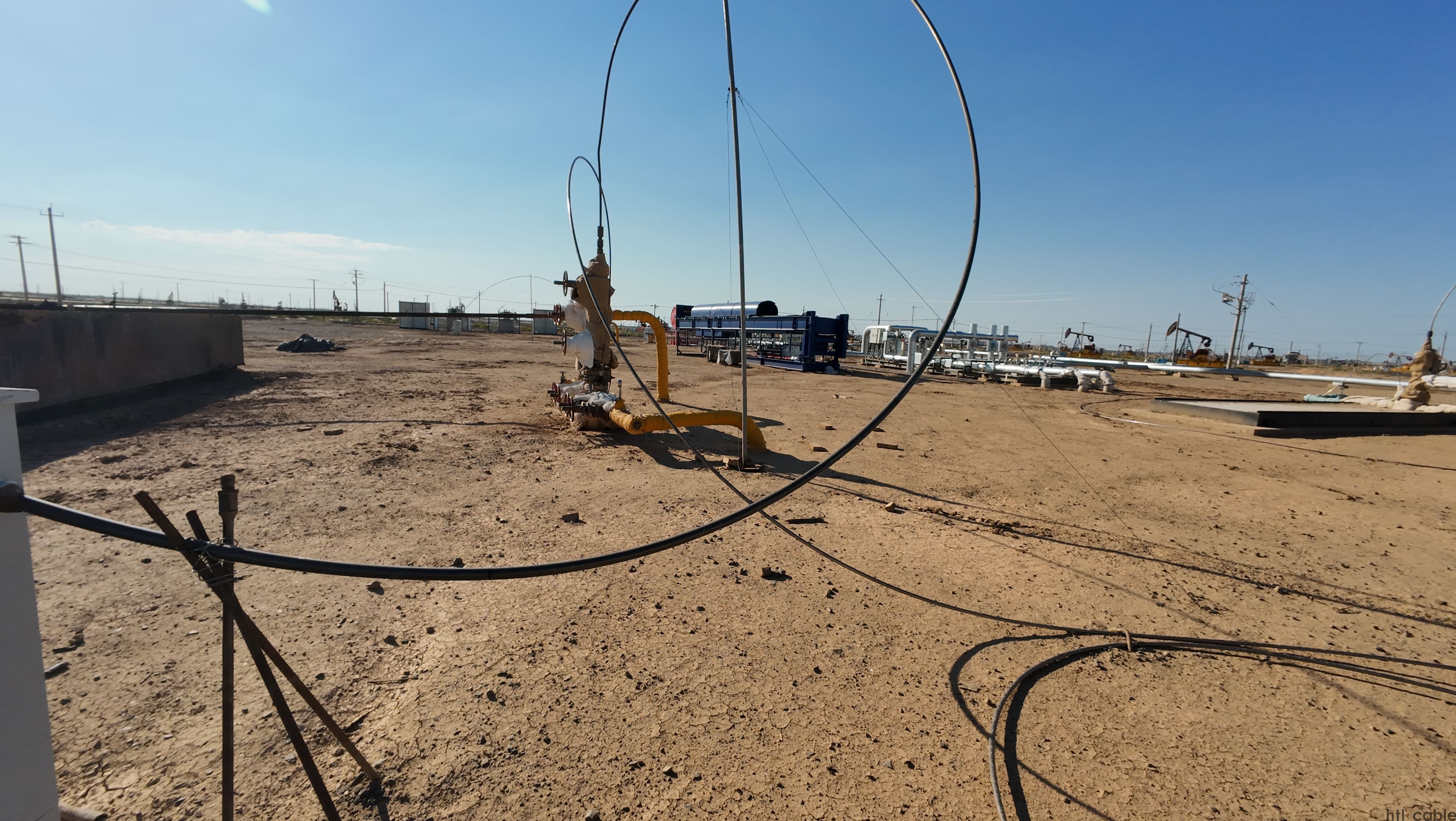 MI cable in Karamay Oilfield