 +86 13315975815


Weathering Patagonia’s Climate: Rugged Heat Tracing for Argentine Onshore Operations
Introduction
While the potential of Argentina's unconventional oil reserves is vast, the geographic reality of Patagonia presents brutal operating conditions. Midstream pipelines and upstream production facilities across the Neuquén and San Jorge basins are exposed to fierce winds, sub-zero winter temperatures, and intense mechanical stress. Standard heating solutions frequently fail under these severe environmental conditions, causing costly production shutdowns and equipment damage. For Argentine operators looking to maximize uptime, their thermal management equipment must match the ruggedness of the terrain.
The Mechanical Superiority of MI Technology
MI heating cables are inherently built for harsh environments. The seamless metal outer sleeve functions as a heavy-duty protective armor, making the cable highly resistant to:
Crushing forces and high mechanical impacts during pipeline installation
Severe environmental corrosion from soils, moisture, and atmospheric moisture
Corrosive chemicals and aggressive process fluids
Furthermore, because the magnesium oxide powder is compacted tightly around the internal resistance wires, heat transfers to the outer sheath with minimal thermal resistance. This design ensures that even during freezing Patagonian winters, critical wellheads, instrumentation lines, and manifold systems remain fully operational without overheating or short-circuiting.
HTL CABLE’s Bespoke Customization and Quality Control
Understanding that no two fields in Patagonia share identical conditions, HTL CABLE utilizes its agile Chinese manufacturing capability to provide bespoke, application-specific solutions. Our factory features dedicated testing laboratories where cables undergo rigorous mechanical, hydrostatic, and electrical insulation tests under simulated field stresses.
We customize sheath compositions, alloy selections, and power ratings to match the precise chemical and environmental profiles of Argentine projects. By managing the entire manufacturing process in-house, HTL CABLE ensures that every shipment arriving at South American ports delivers robust, dependable field performance.
 From Karamay to Global Oilfields: Proven Performance of MI H
 Beyond e-SAGD: How MI Heating Cables Drive Electrification i
 Unlocking Unconventional Reserves: Advanced Electric Heating
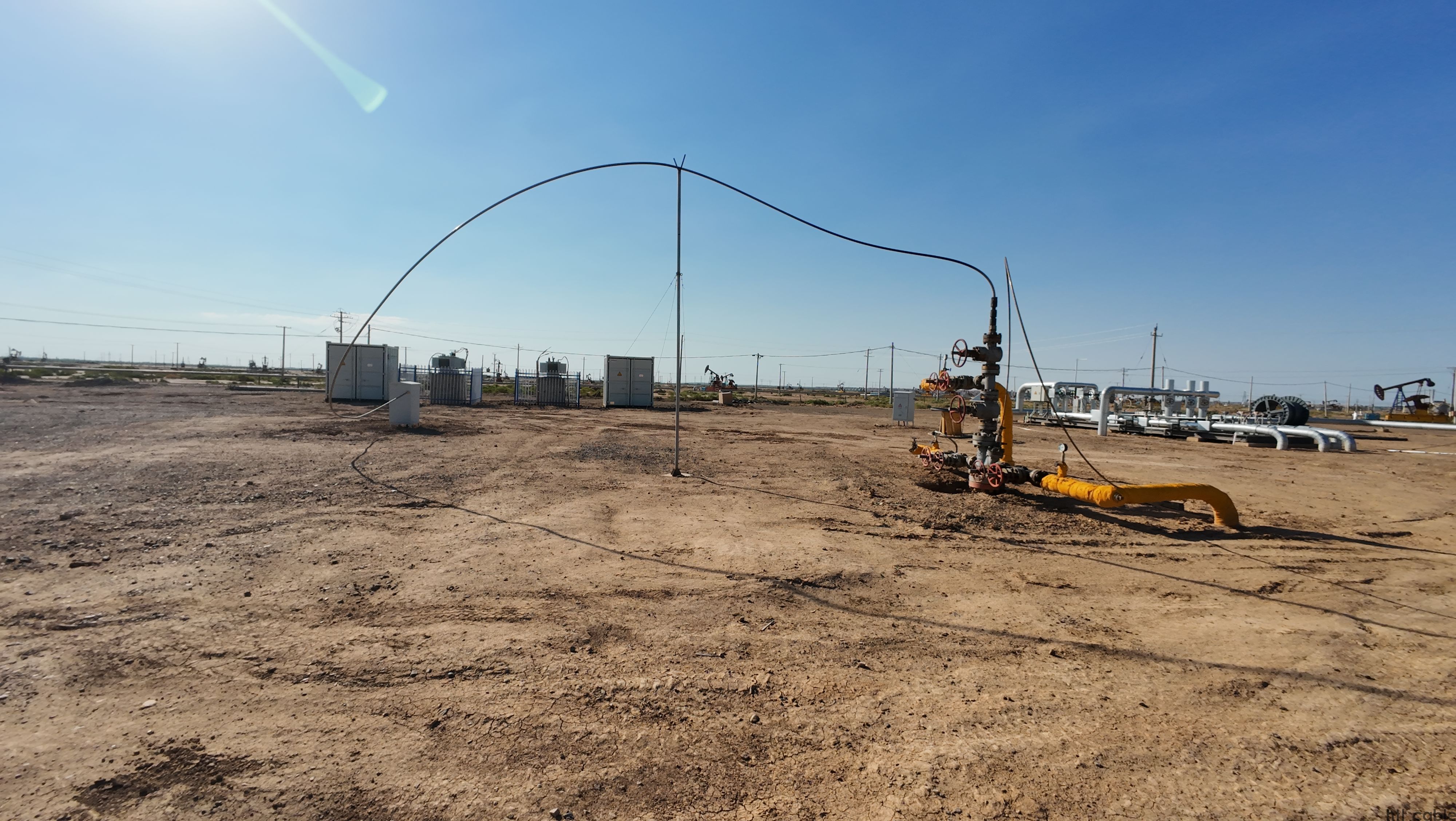
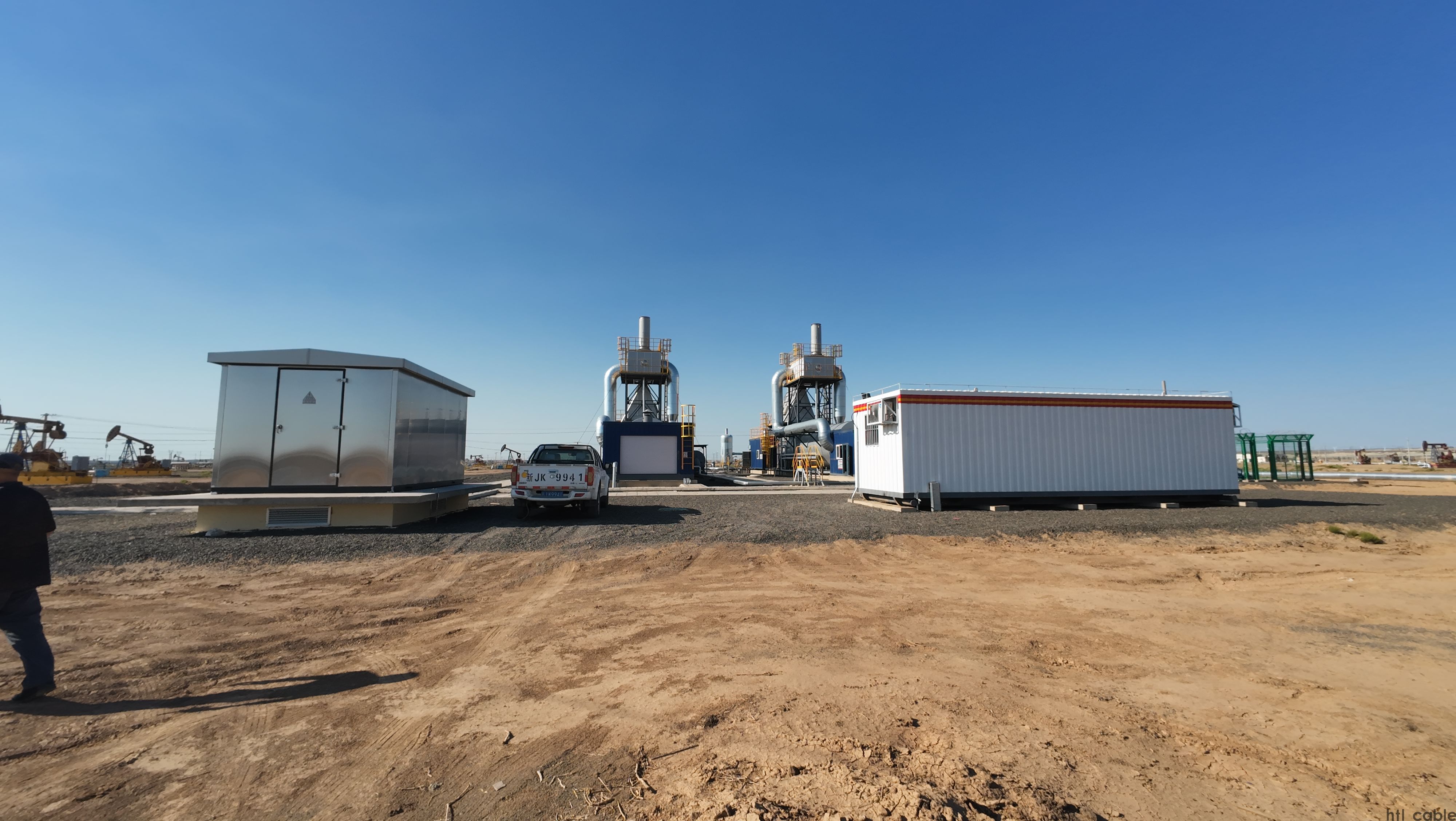
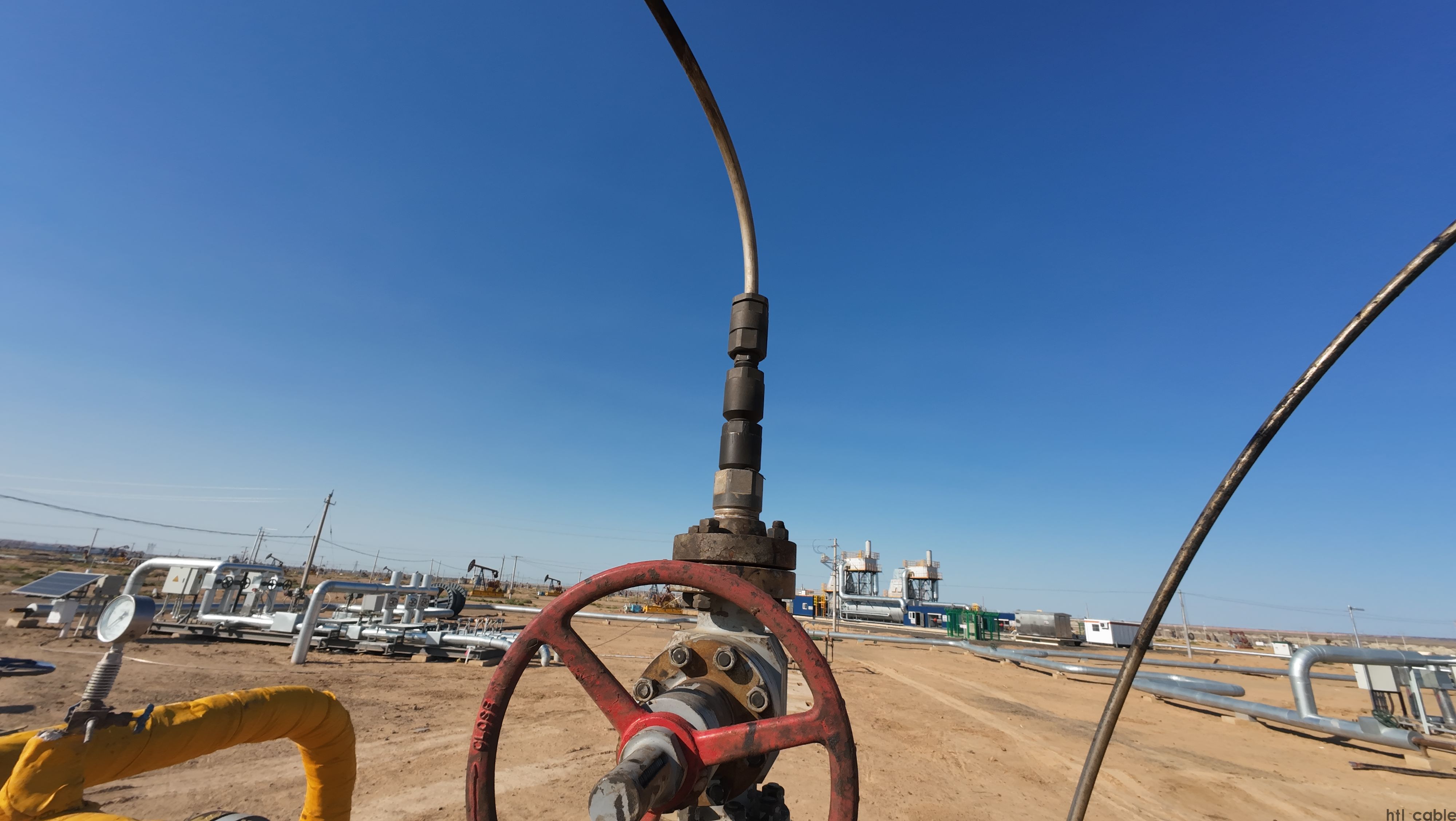
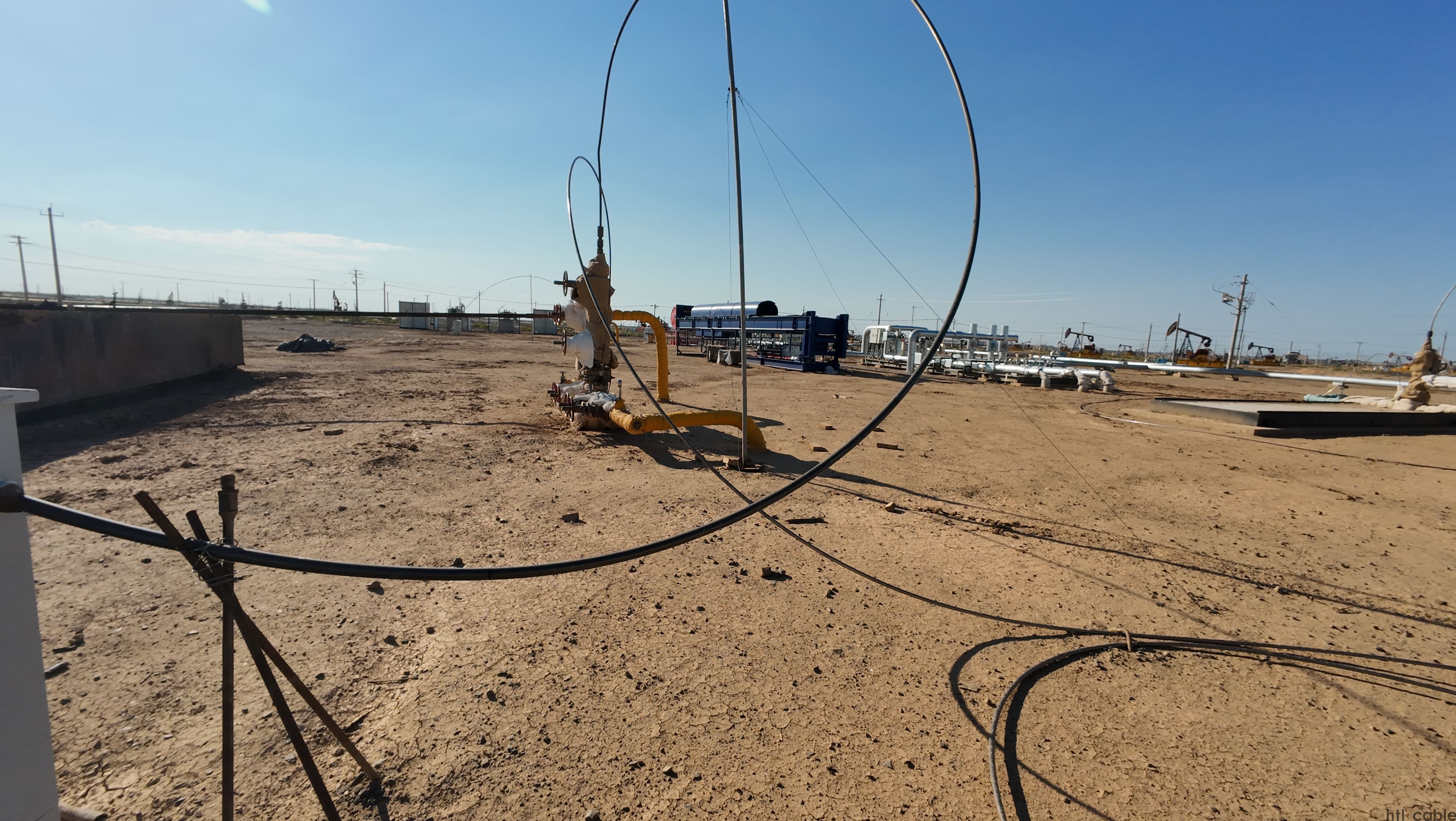 MI cable in Karamay Oilfield